Custom Deck Designs: Upgrade Your Property's Exterior Appeal
Custom-designed decks play a fundamental role in improving the outdoor appeal of a home. They can complement architectural styles and harmonize with the surrounding landscape. By selecting appropriate materials and important features, property owners can develop inviting outdoor areas that combine practicality with visual appeal. Nevertheless, the decisions involved in design and planning can greatly impact the overall appeal and value of the property. Being aware of these considerations is vital for homeowners who are planning this type of improvement.
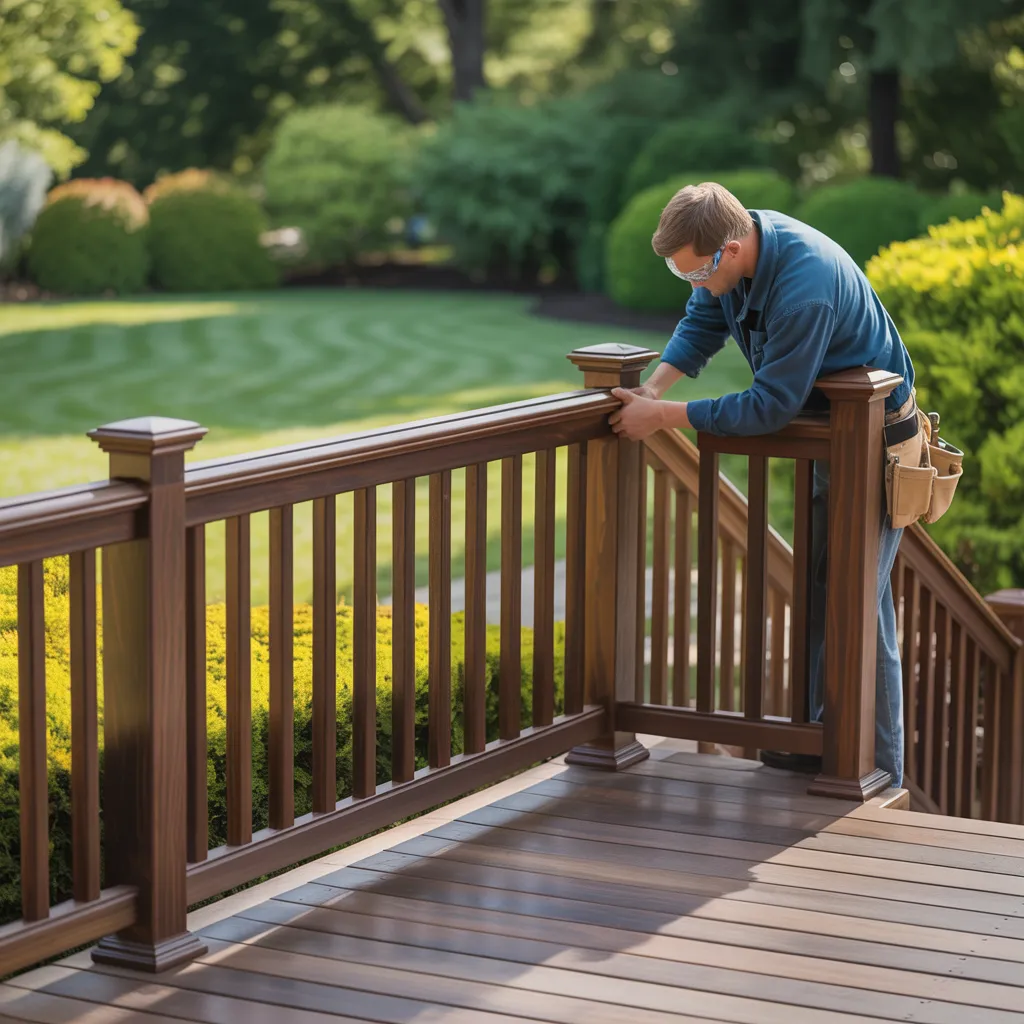
Unique Deck Designs for Your Home's Visual Appeal
How can homeowners choose the perfect deck style to enhance their property? Choosing the right deck style starts with examining the home's overall architecture. Contemporary homes are often enhanced by clean, minimalist aesthetics, while homes with a traditional character tend to look great with ornate, classic designs. It is equally important for homeowners to factor in the landscape surrounding their property. A rustic deck featuring natural materials can seamlessly blend with a wooded area, while a contemporary space may call for geometric patterns.
Practicality also plays a key role; decks built with entertaining in mind may feature built-in seating and railings, while decks meant for relaxation could emphasize shade and seclusion. Color choices should enhance the home's outer appearance, establishing a consistent visual appeal.
Ultimately, a well-chosen deck design not only elevates the home's aesthetic but also enriches the overall outdoor living space, making thoughtful design choices essential for property owners looking to establish an welcoming outdoor space.
Components That Boost Longevity and Aesthetics
Within the realm of custom deck designs, the selection of materials is crucial for balancing durability and aesthetic appeal. Composite decking offers a blend of resilience and low maintenance, while natural wood options offer timeless beauty. Additionally, innovative material combinations can generate unique finishes that enhance both functionality and visual impact.
Composite Decking Benefits
Although traditional wood decking has always been appreciated for its natural appeal, composite decking has established itself as an exceptional choice due to its remarkable advantages in both durability and aesthetics. Made from a blend of recycled wood fibers and plastic, composite decking stands up to fading, staining, and warping, guaranteeing a resilient surface that holds up against a range of weather conditions. This minimal-upkeep solution removes the necessity for routine sealing, painting, or staining, saving homeowners time and money. Furthermore, composite materials provide an extensive selection of colors and finishes, enabling personalized designs that elevate any outdoor area. Ultimately, composite decking combines the visual appeal of wood with the resilience of synthetic materials, establishing it as a consistently preferred option for today's homeowners.
Natural Wood Choices
While composite decking provides many benefits, natural wood options remain a favored choice for individuals looking for natural warmth and classic appeal in their outdoor living environments. Woods such as cedar, redwood, and teak are popular for their vibrant tones and characteristic grain details, offering an organic sophistication that man-made materials frequently cannot replicate. Such timber varieties not only elevate the aesthetic quality but also demonstrate natural resilience with appropriate care. Treatments like sealants and stains can further protect against moisture and UV damage, increasing the durability of the decking surface. Moreover, the green credentials of sustainably obtained timber attract environmentally minded property owners. Overall, natural wood options deliver a harmonious blend of beauty and resilience, rendering them an outstanding option for personalized exterior projects.
Novel Material Combinations
Combining various materials can improve the strength and visual attractiveness of personalized deck layouts. By incorporating composite decking with natural wood, homeowners accomplish a harmony between visual appeal and lasting strength. Composite materials are resilient against decay and fading, while wood provides a warm, organic touch. Moreover, adding metal details, such as frames or guardrails, modernizes the look and enhances structural integrity. Stone elements can be used for steps or borders, providing a contrast that enriches the overall design. These innovative combinations not only withstand the elements but also deliver a captivating outdoor living space. At the end of the day, choosing the right combination of materials allows for tailored, durable decks that suit the architectural style and surrounding landscape.
Must-Have Features for a Comfortable and Functional Deck
When creating a deck, including key features is crucial for guaranteeing both comfort and practicality. A well-planned layout is significant, ensuring adequate room for seating, dining, and foot traffic. Durable furniture, like weather-resistant chairs and loungers, fosters relaxation while welcoming guests to remain.
Including overhead coverings, like shade sails or pergolas, shields from excessive UV rays, making the space usable even on the hottest days. Furthermore, incorporating built-in planters can add vibrant foliage, boosting the appearance and delivering a peaceful ambiance.
Lighting also plays a significant role; thoughtfully arranged fixtures can boost both safety and ambiance throughout evening events. Furthermore, adding storage options, including benches equipped with storage compartments, can help keep the deck neat and free of clutter. By carefully choosing these elements, homeowners can design a deck that is functional and welcoming, turning outdoor spaces into seamless extensions of the home.
Boost Your Home's Value With Custom Decks
Custom decks have the potential to significantly boost a home's property value, making them a wise investment for homeowners. These outdoor features not only improve the visual appeal of a property but also provide functional space for relaxation and entertainment. A well-designed custom deck can draw in prospective buyers, reflecting superior quality and meticulous design.
Real estate professionals commonly point out that houses with inviting exterior living spaces tend to sell faster and for higher prices. Features such as custom seating, elegant railings, and premium materials can further increase desirability. Furthermore, a tailored deck broadens the available living space, allowing homeowners to enjoy outdoor activities year-round.
Additionally, decks can be customized to suit various lifestyles, whether for gatherings with loved ones or quiet retreats, thereby broadening overall market appeal. Essentially, investing in a custom deck not only enriches a homeowner's experience but also functions as a calculated decision to enhance overall property value.
How to Blend Landscaping With Your Custom Deck
Integrating landscaping with a custom deck enhances both aesthetics and functionality. By coordinating design features, picking the right plants, and optimizing outdoor movement, homeowners can develop a seamless outdoor area. This thoughtful approach not only elevates the deck's appearance but also improves the overall enjoyment of the area.
Integrating Design Components
Even though a beautifully constructed deck can shine independently, the genuine appeal lies in how it integrates with the surrounding landscape. To realize this vision, the deck's finishes and hues should align with the organic elements nearby, establishing a fluid transition between the interior and exterior. Incorporating architectural features, such as railings or posts, that mirror the aesthetic of adjacent structures deepens this sense of harmony. Additionally, factoring in the deck's contour against the surrounding landscape is crucial; rounded edges can echo the flow of nature, while straight edges may align with geometric landscaping. To conclude, the positioning of the deck should capture the best sightlines and sun exposure, making it a natural extension of the outdoor setting rather than a detached addition. This thoughtful integration enriches the overall beauty of the deck and its surroundings.
Strategies for Choosing Plants
Selecting the best plants can significantly enhance the relationship between a custom deck and its surrounding landscape. Careful plant selection not only complements the deck's style but also fosters a smooth shift between inside and outside living areas. Native plants are often recommended for their adaptability and low maintenance, ensuring that the surrounding greenery prospers with limited maintenance. Integrating diverse heights, textures, and colors can produce a dynamic visual appeal around the deck. For instance, tall grasses can mellow sharp borders, while vibrant flowering plants bring periodic bursts of color. Furthermore, incorporating planters or living walls can optimize available area and introduce greenery without overwhelming the area. Overall, thoughtful plant selections contribute to a cohesive outdoor setting that improves the entire home aesthetic.
Optimizing Outdoor Flow
To optimize outdoor living, homeowners should think about how landscaping can seamlessly connect with their custom deck. Strategically combining plants, pathways, and hardscapes can establish a unified space that bridges the indoor and outdoor spaces. Incorporating native plants offers not only decorative charm but also limits the need for care. Carefully positioned flower beds or bushes can smooth the deck's borders, while ornamental grasses may introduce visual interest and dimension. Additionally, incorporating a defined pathway leading to the deck promotes enjoyment of the surrounding area. Structures including trellises or archways can utilize upward space, drawing the eye upward and creating a sense of enclosure. Ultimately, a well-planned landscape enhances the deck's functionality and enriches the entire outdoor living environment.
Tips for Collaborating With a Professional Deck Designer
Effective collaboration with a professional deck designer can greatly enhance the outcome of a project. To ensure a successful partnership, homeowners should begin by clearly articulating their vision, including the styles, materials, and functions they have in mind. Providing inspirational photos can offer a visual guide that helps the designer grasp your preferences.
Maintaining open communication is essential; consistent check-ins can assist in resolving any issues or modifications required during the design process. Property owners should also be willing to consider expert recommendations, as design professionals offer important knowledge regarding structural integrity and local building codes.
Defining a clear budget at the outset allows the designer to propose options that align with financial parameters. Finally, establishing a timeline helps manage expectations and keeps the project on track. By following these tips, homeowners can develop a collaborative partnership with their deck designer, leading to a stunning and practical outdoor living area.
Questions We Often Receive
How Long Does a Custom Deck Project Typically Take?
A custom deck build generally requires two to six weeks in total, based on factors including design intricacy, material selection, and prevailing weather conditions. Proper planning and scheduling can help streamline the construction process effectively.
What Permits Do You Need for Building a Custom Deck?
Building a custom deck typically requires obtaining several permits, including zoning clearances, building permits, and possibly environmental assessments. Regional requirements vary, so consulting with local authorities ensures compliance with all required standards for the project.
Is It Possible to Add Lighting Features to My Custom Deck?
Certainly, lighting options can enhance a bespoke deck. A range of options, including LED lights and solar fixtures, improve aesthetics and functionality, creating a welcoming atmosphere for after-dark entertaining while maintaining safety and visibility.
What Is the Average Price of a Custom Deck?
The standard cost of a custom-built deck usually falls between $15 and $35 per square foot, influenced by material choices, design intricacy, and installation requirements. Property owners should evaluate these factors when budgeting for their projects.
What Is the Best Way to Maintain My Custom Deck Over Time?
To maintain a custom deck for years to come, regular cleaning, sealing, and inspection for damage are essential. Implementing protective coatings and addressing examine this material repairs in a timely manner can greatly extend its lifespan and preserve its aesthetic appeal.